AI Lead Finder
 Email Finder
 Email Verifier
 Phone Finder
 Intent Signals
 CRM Enrichment/Cleaning
 API
API

Gojiberry AI sells an appealing idea: skip the cold list, find the people who just changed jobs, engaged with a competitor or otherwise raised a hand, and reach them while the moment is still warm. For a founder doing their own outbound, that's a lot of pipeline machinery for $99 a month.
The catch is that the signal and the sending arrive as one package. Plenty of teams already own a CRM, a sequencer and strong opinions about how their emails should sound, so they want the tip without handing the wheel to an AI SDR. Others sell to buyers who aren't especially active on the platforms Gojiberry watches.
This guide covers what Gojiberry AI does, where it earns its reputation, and seven alternatives that range from full intent-data platforms to a plain sequencer.
Findymail Signals watches for new hires and job title changes around the clock, filters them to your ICP, and delivers the enriched contact while the window is still open.
What This Guide Covers: What Gojiberry AI does, where it fits and where it doesn't, and seven alternatives for teams that want better signals, more control over outreach, or both.
The 7 Alternatives:
1. Findymail – Intent signals with verified contacts, delivered to your existing stack
2. Instantly – Cold email execution and deliverability
3. Common Room – Multi-source GTM signal intelligence
4. Clay – Build-your-own enrichment and signal workflows
5. Bombora – Account-level B2B intent data
6. 6sense – Predictive intent and ABM for enterprise teams
7. Demandbase – Account-based GTM platform with built-in intent
What Is Gojiberry AI?
What does Gojiberry AI do?
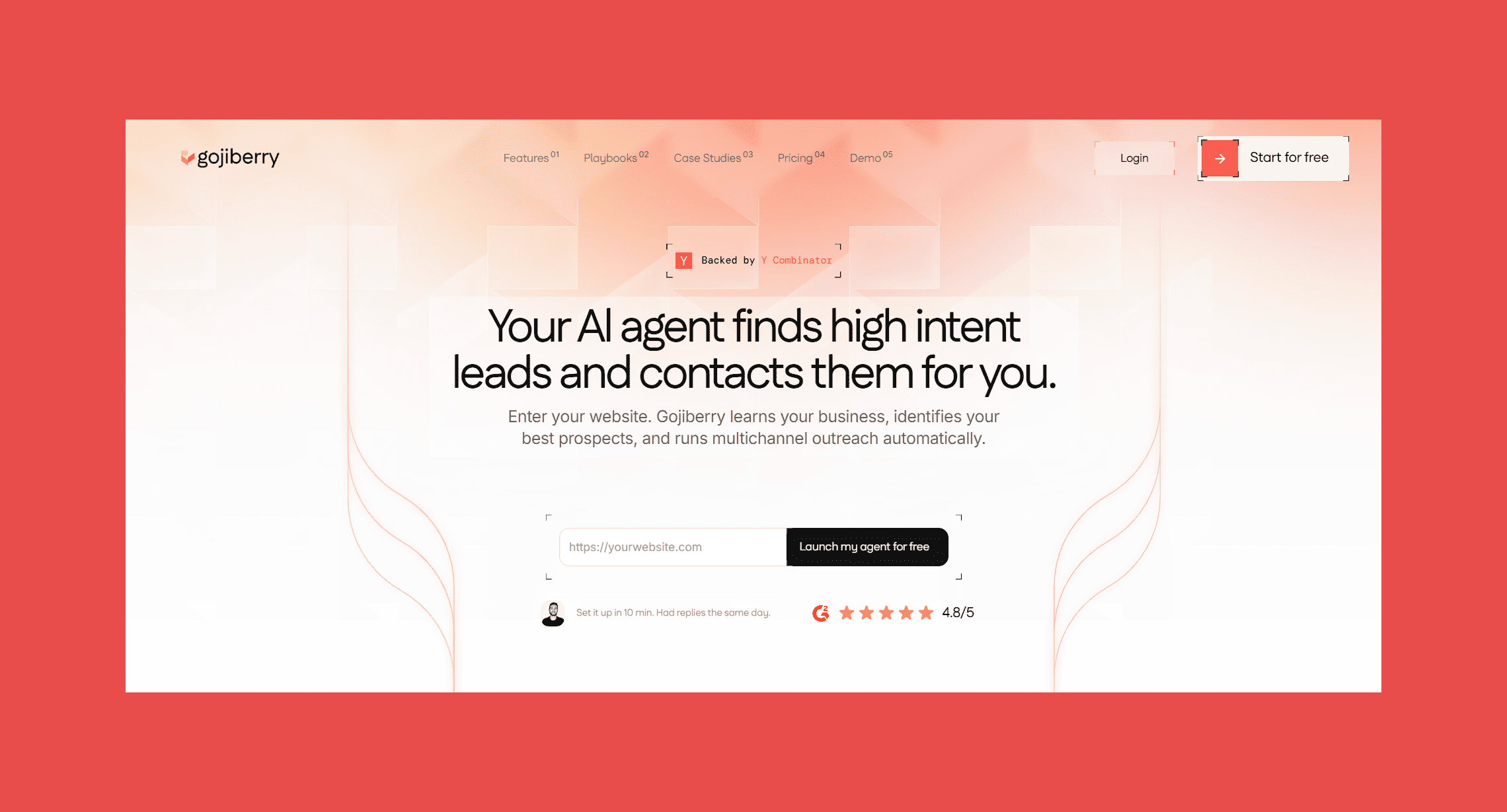
Gojiberry AI is an intent-based prospecting platform with an AI agent attached at both ends. You define your ideal customer profile (ICP) and the buying moments that matter, and the agents build lookalike audiences from your best customers, score every prospect, and contact the highest-intent ones first. Outreach goes out over email and LinkedIn, with each message written around the prospect's context and the signal that flagged them. Gojiberry positions the whole thing as a tool that runs your outreach from discovery to send, which makes it an AI SDR in everything but job title.
| Capability | Gojiberry |
|---|---|
| ICP targeting | ✓ |
| Intent signals | ✓ |
| Lead discovery | ✓ |
| AI prospecting | ✓ |
| LinkedIn outreach | ✓ |
| Email outreach | ✓ |
| AI-generated messaging | ✓ |
| Lead enrichment | ✓ |
| Outreach automation | ✓ |
How does Gojiberry AI work?
Gojiberry breaks this into four steps on its own product pages:
- Finds & scores leads: the agent detects buying and social signals, things like a prospect following your company or engaging with a competitor, and scores every prospect against your ideal customer profile.
- Filters to your best prospects: everything gets narrowed down to the leads that actually match, so the agent never spends a message on someone who was never going to buy.
- Multichannel outreach: it reaches out over email and social channels with AI-personalized messaging, coordinated automatically with no sequences for you to build.
- Improves every week: it tracks what converts, adjusts on its own, and benchmarks your campaigns against top performers in your industry.
Gojiberry tracks 15+ buying and social signals out of the gate, expanding to 30+ on its paid plans. Its agent runs on Claude, Anthropic's AI model.
How much does Gojiberry AI cost?
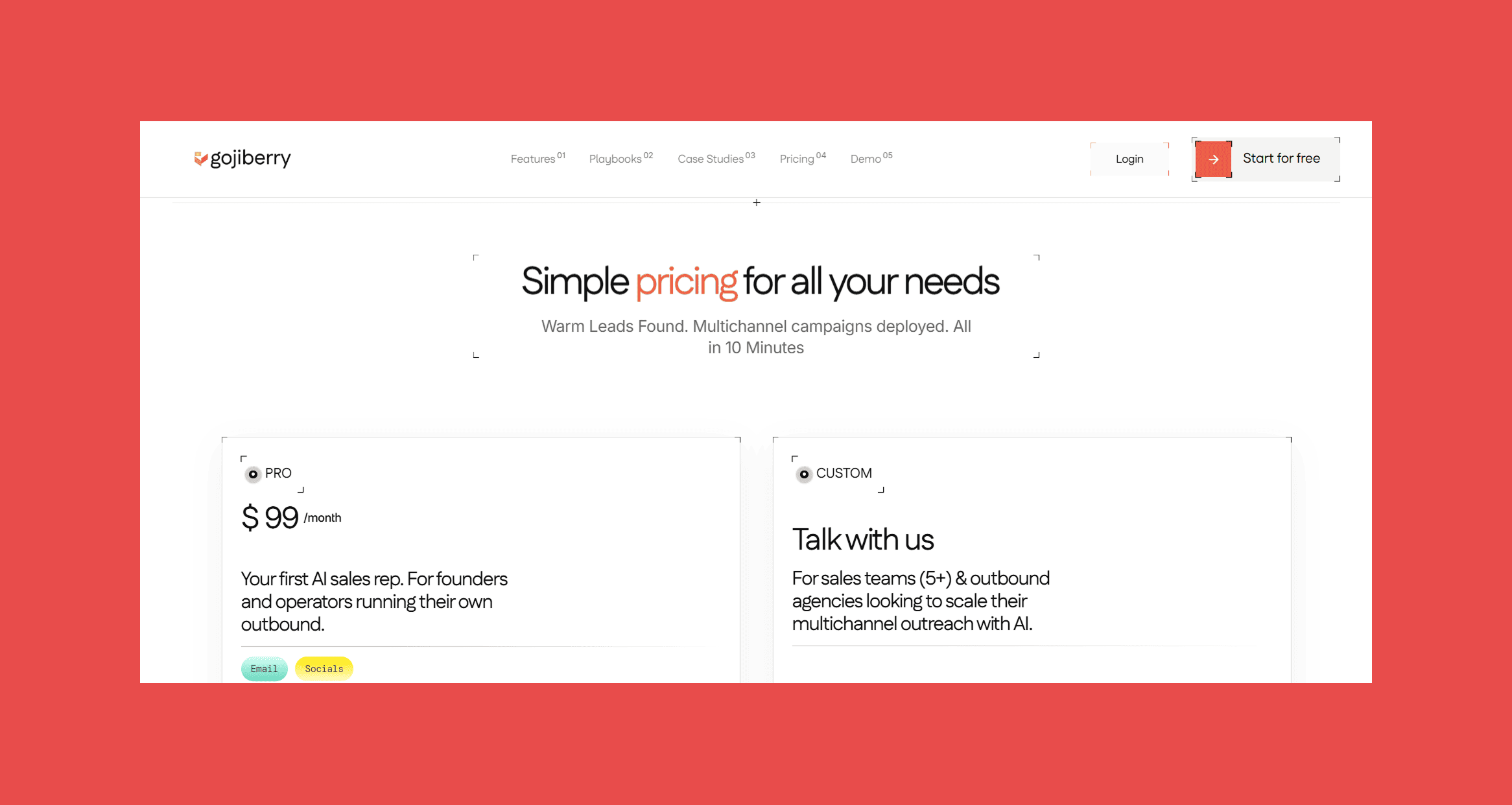
Gojiberry publishes one self-serve plan. Pro is $99 a month and includes:
- 2 AI agents prospecting 24/7
- Up to 1,800 prospects contacted per month, more available
- Warm leads sourced automatically (signals + lookalikes)
- Unified inbox
- Smart lead scoring
- AI Copilot mode
- Email waterfall enrichment across 15+ data providers
- CRM, API and MCP integrations (HubSpot, Pipedrive, Claude and others)
- Live chat support
The Custom plan is quoted through sales and adds a custom number of AI agents and prospects contacted per month, more senders across every channel, a dedicated customer success manager, deeper integrations, and admin access controls, aimed at sales teams of 5+ and outbound agencies. The comparison table further down puts the Pro plan price next to every alternative.
Gojiberry AI Review: What Is It Good At?
This is an editorial read of what Gojiberry publishes and what third-party reviewers report, not a hands-on test. Treat it as a buyer's map rather than a verdict.
Where Gojiberry AI stands out
The core idea holds up:
- Signal-based discovery means the people in your queue did something recently, instead of being on a list that was accurate the day someone exported it.
- Bundling intent with outreach removes the usual chore of pulling signals from one tool and pasting them into another.
- AI-personalized messaging that references the triggering signal beats a merge-field first line.
- Cuts manual prospect research, since scoring against your ICP happens before anything reaches you.
- Built-in LinkedIn safety controls, human-like sending limits, pacing and quality filters, rather than just blasting volume, which matters given how easily an aggressive automation tool can get an account flagged.
Add a price aimed at founder-led and small-team outbound, where the founder is also the SDR, and the appeal is easy to see.
Where Gojiberry AI may fall short
None of these are universal flaws. They're situations where a different setup fits better.
1. You may not need an AI SDR. If you already run Salesforce or HubSpot, a sequencer like Instantly or Lemlist, and reps who write better than a model, Gojiberry's execution layer is a duplicate department. Some teams want another tool controlling their sending about as much as they want another person editing their emails.
2. Signals and outreach come bundled. Gojiberry is built to turn a signal into automated outreach. Some teams specifically want a different path:
instead of:
That gap is the opening for a dedicated signal tool.
3. Channel dependency. Independent reviewers describe Gojiberry as a LinkedIn-first outreach tool, though its own materials describe broader buying and social signals. The fair version: teams may prefer an alternative if their ICP's buying signals aren't concentrated on LinkedIn.
What Should You Look for in a Gojiberry AI Alternative?
The right alternative depends on which job you're replacing. These criteria sort the field before any tool gets a vote.
- Signal coverage: Does it watch job changes, new hires, topic engagement, keyword mentions, funding, company events, web activity and social activity, or only a few of those?
- Signal freshness: How fast does an event reach you? Intent loses value as it ages.
- ICP filtering: Can you narrow signals by industry, company size, geography, seniority, job title, company or keyword, so you're not sifting every job change in the country?
- Person-level enrichment: Does the tool tell you which person to contact, or only which company looks interesting?
- Contact data: Do you get a verified email, a phone number, company details and social profiles, or a name and a shrug?
- Workflow flexibility: Can the signal flow into your CRM, sales engagement platform, Slack, a webhook or a CSV, or does it live only inside its own app?
- Automation vs. control: Do you want the platform to do the outreach for you, or to tell you who to contact and why right now?
That last one does most of the sorting.
7 Best Gojiberry AI Alternatives
Not every tool below replaces Gojiberry one for one, and that's deliberate. "What's the best alternative?" is the wrong question; "which part of the workflow am I replacing?" is the useful one. Findymail, Common Room and Clay handle the signal and enrichment side. Instantly handles execution. Bombora, 6sense and Demandbase sell intent data at the account level, for teams with bigger budgets and longer sales cycles.
Gojiberry AI vs. Alternatives: Comparison Table
| Tool | Best for | Intent signals | Lead enrichment | Outreach automation | Starting price |
|---|---|---|---|---|---|
| Gojiberry AI (reference) | AI-led signal prospecting | ✓ | ✓ | ✓ | $99/month |
| Findymail | Actionable intent signals | ✓ | ✓ | Via your existing tools | $49/month |
| Instantly | Outbound execution | Basic (Super Search) | Separate add-on | ✓ | $47/month |
| Common Room | GTM signal intelligence | ✓ | ✓ | Via workflows | $2,500/month |
| Clay | Custom data workflows | ✓ | ✓ | Basic sequencer, plus workflows | $185/month |
| Bombora | B2B intent data | ✓ | — (account-level) | Via integrations | Custom |
| 6sense | Enterprise intent and ABM | ✓ | ✓ | ✓ | Custom (free tier available) |
| Demandbase | Account-based intelligence | ✓ | ✓ | ✓ | Custom |
Prices are each vendor's monthly list price where one is published. Vendors listed as custom quote through sales.
1. Findymail: Best for Actionable Intent Signals
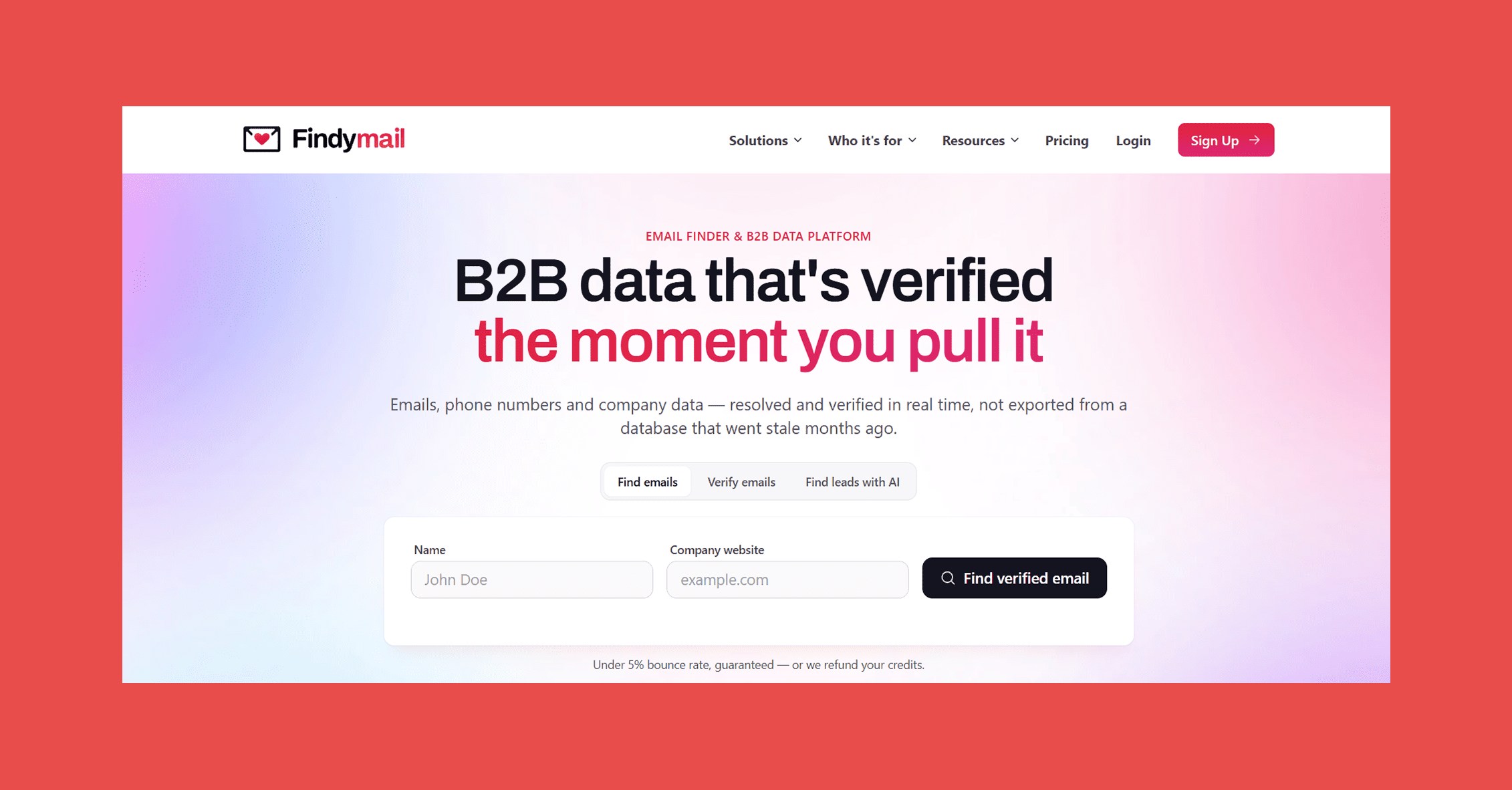
Findymail started as an email finder and verifier and grew into a full B2B prospecting platform, with phone finding, Intellimatch for AI lead search, and Signals for intent monitoring. Signals is the part that matters here. It watches the web around the clock for buying events, filters them to your ICP, and enriches each match with a verified contact, so the alert arrives with someone you can actually email.
It isn't a one-for-one Gojiberry replacement, and it doesn't try to be. Where Gojiberry sends an agent after the lead, Findymail Signals hands the lead to you.
What Signals offers:
- 24/7 monitoring of the web for buying events
- Four signal types: New Hire, Job Title Change, Keyword Mention and Topic Engagement
- Custom monitors built around your own ICP
- ICP filtering on every signal
- Automatic lead enrichment with verified contact details
- Delivery to your CRM or sequencer
How Signals works:
You choose what to watch, Signals narrows the noise to companies and people that fit your ICP, and each qualified lead comes back enriched with a verified email (and a phone number if you want one). From there it goes wherever your team already works.
Ratings
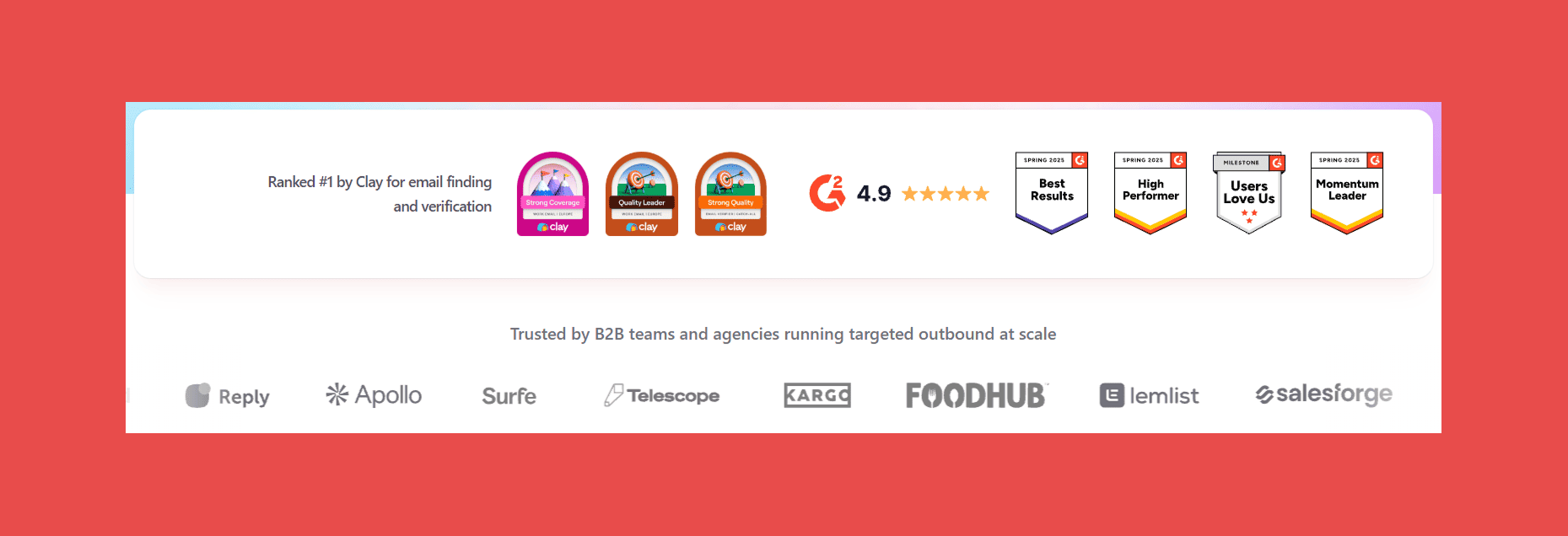
- G2: 4.9/5 (57)
- Capterra: 4.9/5 (7)
Pros
- Verified contact details arrive with the signal, so there's no separate lookup step
- ICP filtering keeps the queue free of irrelevant job changes
- Sub-5% bounce rate, with a refund if it's ever exceeded
- Every plan includes every feature, with nothing locked behind a higher tier
- You only pay for verified contacts, and duplicates aren't charged twice
Cons
- Not an AI SDR: no autonomous outreach or built-in sequencing
- You still need a sequencer and someone to write the messages
Pricing
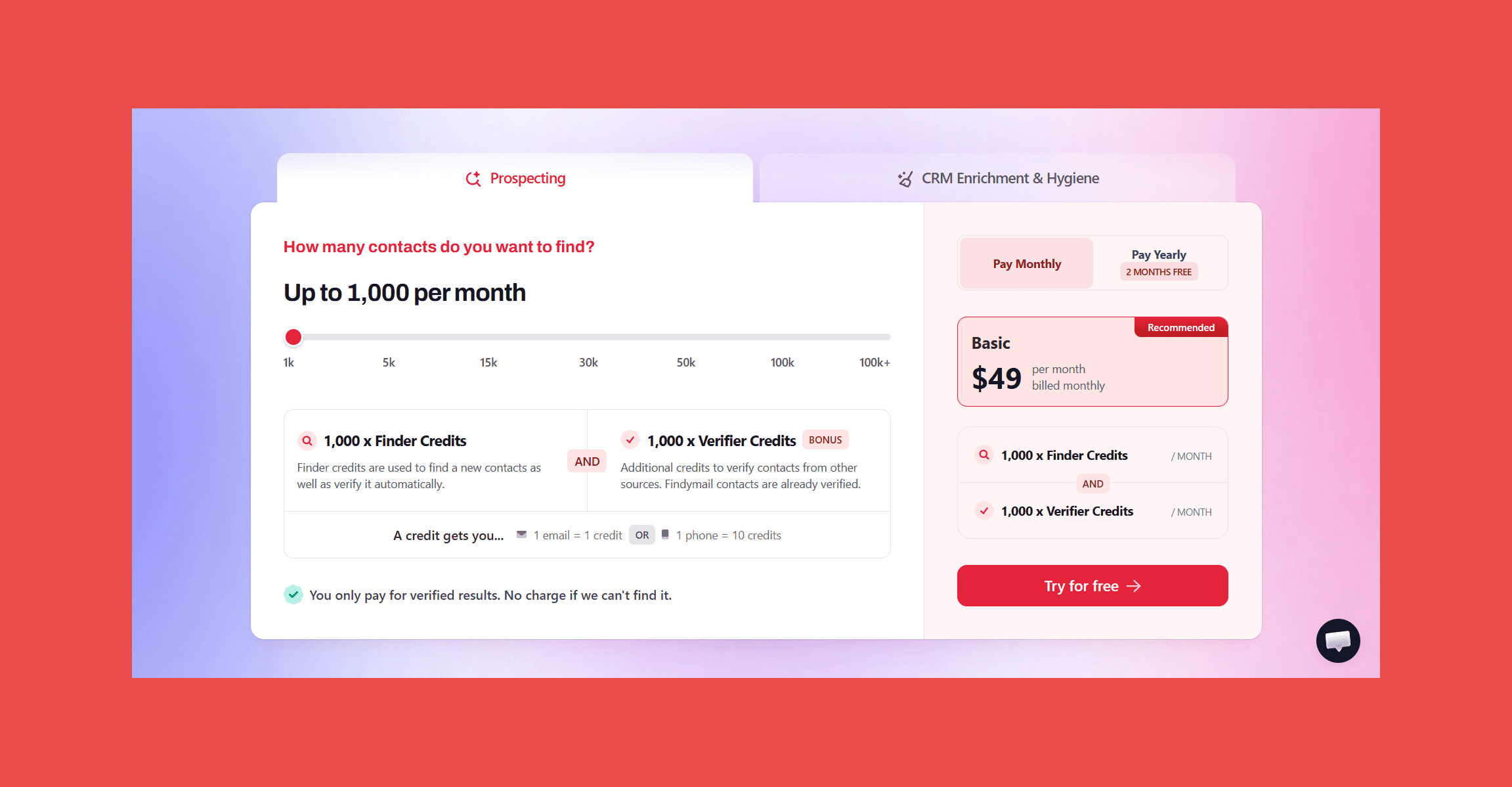
Findymail plans, with Finder and Verifier credits matched at each tier:
- Basic: $49/month for 1,000 credits
- Starter: $99/month for 5,000 credits
- Business: $249/month for 15,000 credits
- Business Plus: $399/month for 30,000 credits
- Scale 50K: $549/month for 50,000 credits
- Scale 100K: $849/month for 100,000 credits
- Enterprise: custom
Unused credits roll over up to 2x your monthly allowance.
Findymail Signals delivers the signal and the verified contact straight into your CRM or sequencer, so your reps write the message and your stack does the sending.
2. Instantly: Best for Outbound Execution
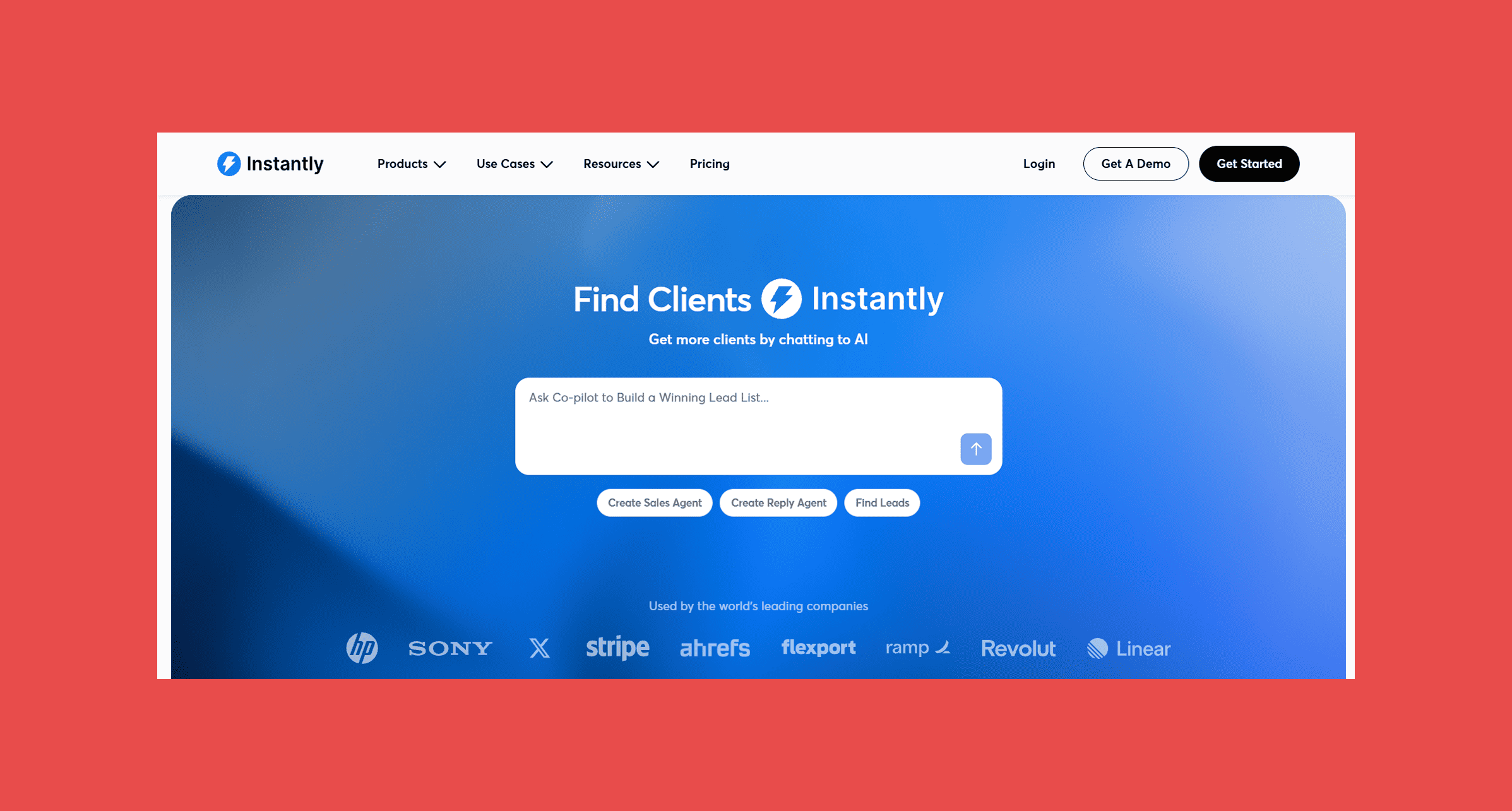
Instantly covers the cold email sending category in one place: sequencing, built-in warm-up, AI-assisted personalization, and deliverability monitoring, plus connections to 50+ tools including HubSpot, Clay, Zapier and Slack. It also ships a basic Signals filter inside its Super Search lead database, so it isn't purely execution-only, though that's a search filter rather than an always-on monitor tied to your own ICP.
If you already have your lead sources and just need somewhere to run outbound, Gojiberry's execution layer is the part you'd swap for this.
What it offers:
- Unlimited email accounts on every tier, so you can scale sending without hitting an account cap
- AI-powered campaign builder, inbox rotation and Unibox for managing replies from every connected account
- Deliverability monitoring and per-account, per-sequence analytics
- Connects with 50+ tools, including HubSpot, Clay, Zapier and Slack
- A Signals filter in Super Search for basic intent-based lead search, plus a separate Website Visitors add-on for US site-visitor identification
How it works:
You bring the leads (from a signal tool, a list or Instantly's own database), and Instantly handles rotation, warmup and sending.
Ratings
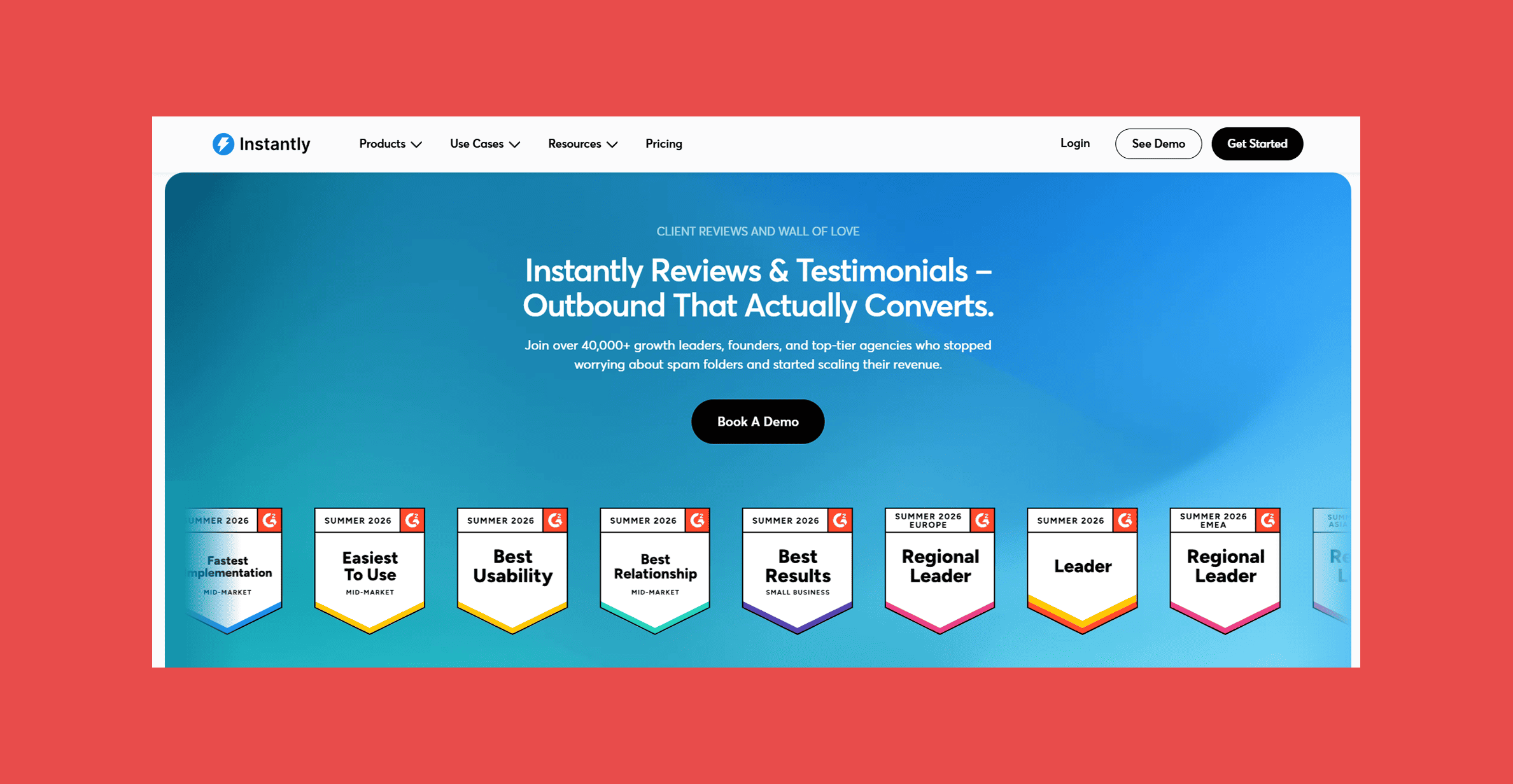
- G2: 4.8/5 (4,157)
- Capterra: N/A
Pros
- Built for sending volume, with unlimited inboxes and warmup
- Works with whatever lead source you already have
- One of the lowest entry prices on this list
Cons
- Signals and Website Visitors are lead-database filters and add-ons, not an always-on monitor tied to your own ICP
- Website Visitors is US-only and needs a privacy-policy and cookie-banner update before it can run
- Solves execution well, but you still need a real source of qualified leads to feed it
Pricing
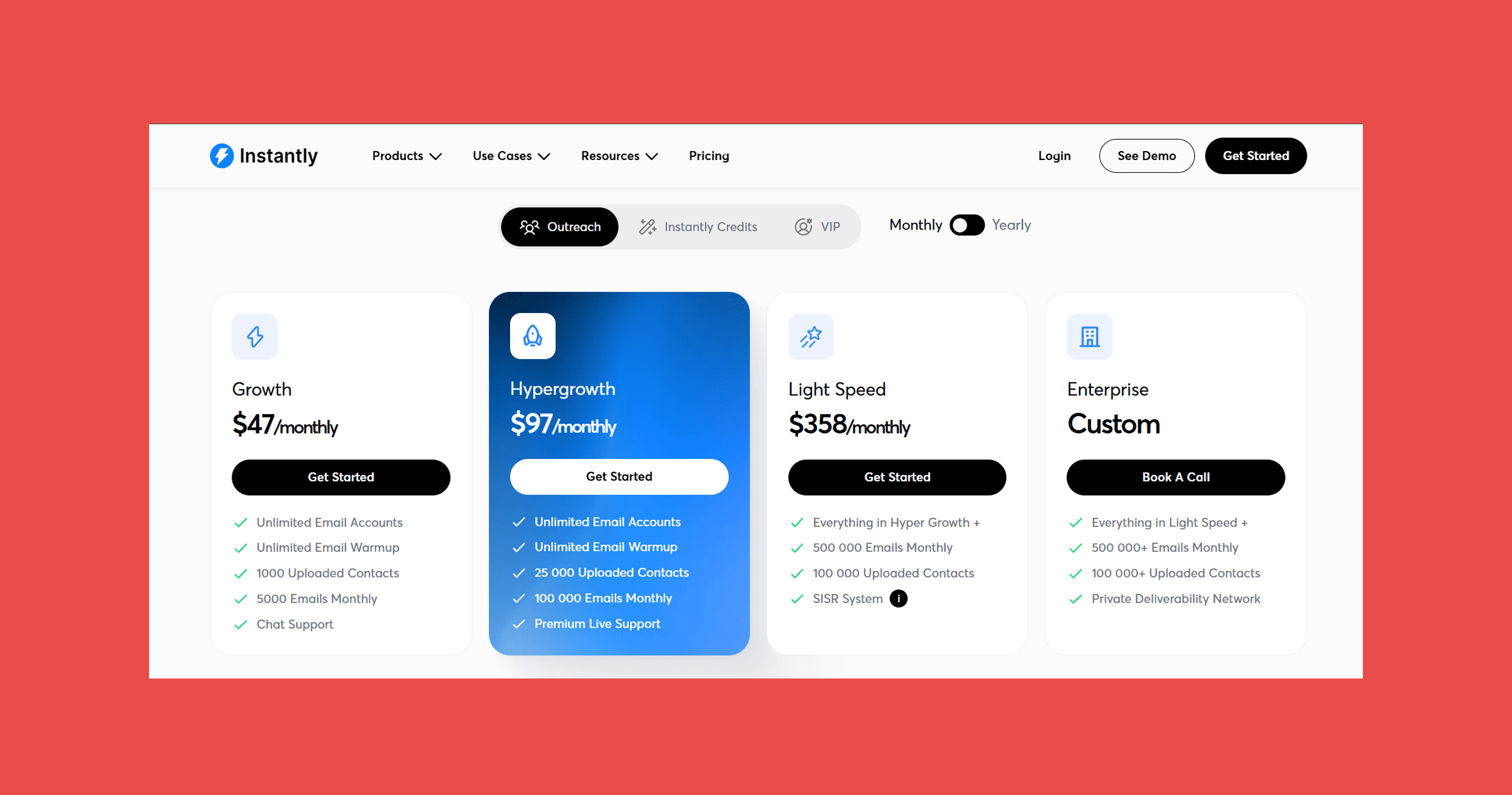
- Growth: $47/month for 1,000 uploaded contacts and 5,000 emails/month
- Hypergrowth: $97/month for 25,000 uploaded contacts and 100,000 emails/month
- Light Speed: $358/month for 100,000 uploaded contacts and 500,000 emails/month
- Enterprise: custom pricing for 100,000+ uploaded contacts, 500,000+ emails/month, and dedicated support
3. Common Room: Best for GTM Signal Intelligence
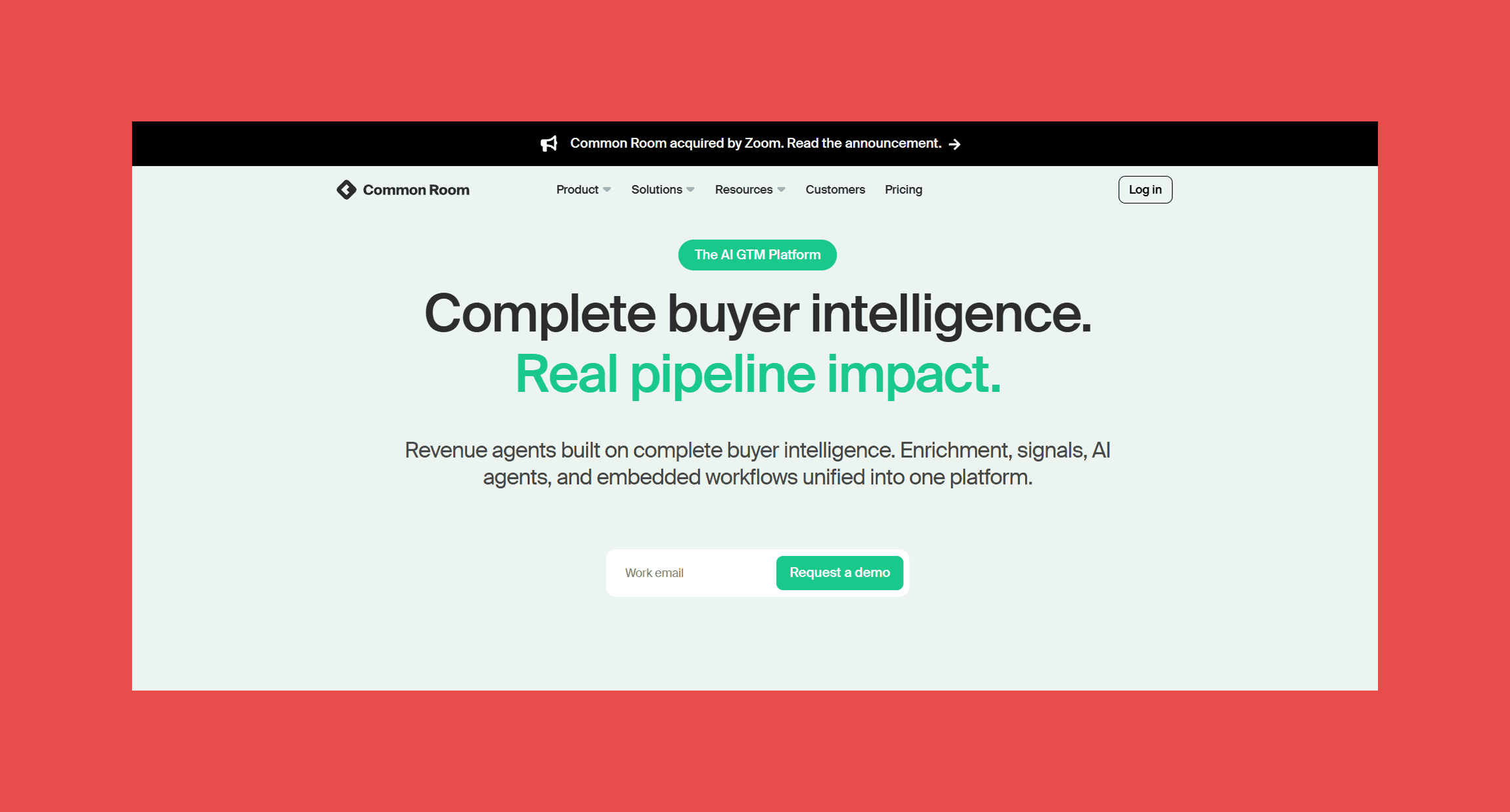
Common Room pulls signals from several places at once: community platforms, website visits, product usage and licensed third-party intent, then ties them to person and account profiles.
It's a wider net than Gojiberry's, aimed at teams that want to see how a buyer behaves across channels before anyone picks up the phone.
What it offers:
- Signals from community, website, product and third-party sources
- Person and account profiles
- AI research credits and a prospecting tool
- Alerts, workflows and segments
- Five Bombora Company Surge topics on the Essential plan
How it works:
Ratings

- G2: 4.5/5 (114)
- Capterra: N/A
Pros
- Signals from more than one channel, including product and community activity
- Person-level detail, not only account-level
- Workflows push signals into the tools your team already uses
Cons
- Broader GTM scope than an outbound-only team may need
- The highest entry price on this list, and it requires an annual commitment rather than month-to-month billing
- Caps on contacts, credits and website de-anonymization can push spend past the listed price
Pricing
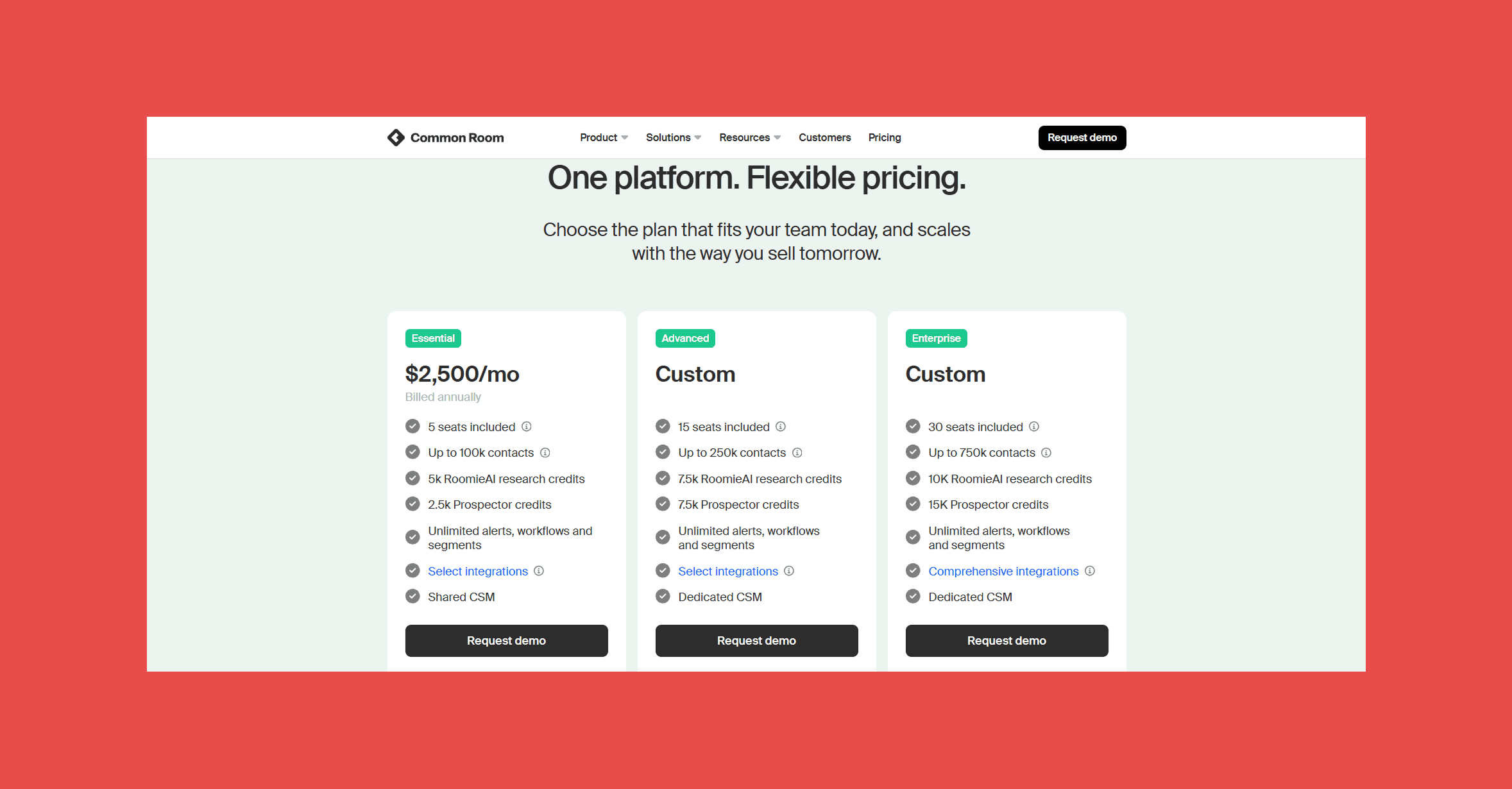
- Essential: $2,500/month
- Advanced: custom
- Enterprise: custom
4. Clay: Best for Custom Data Workflows
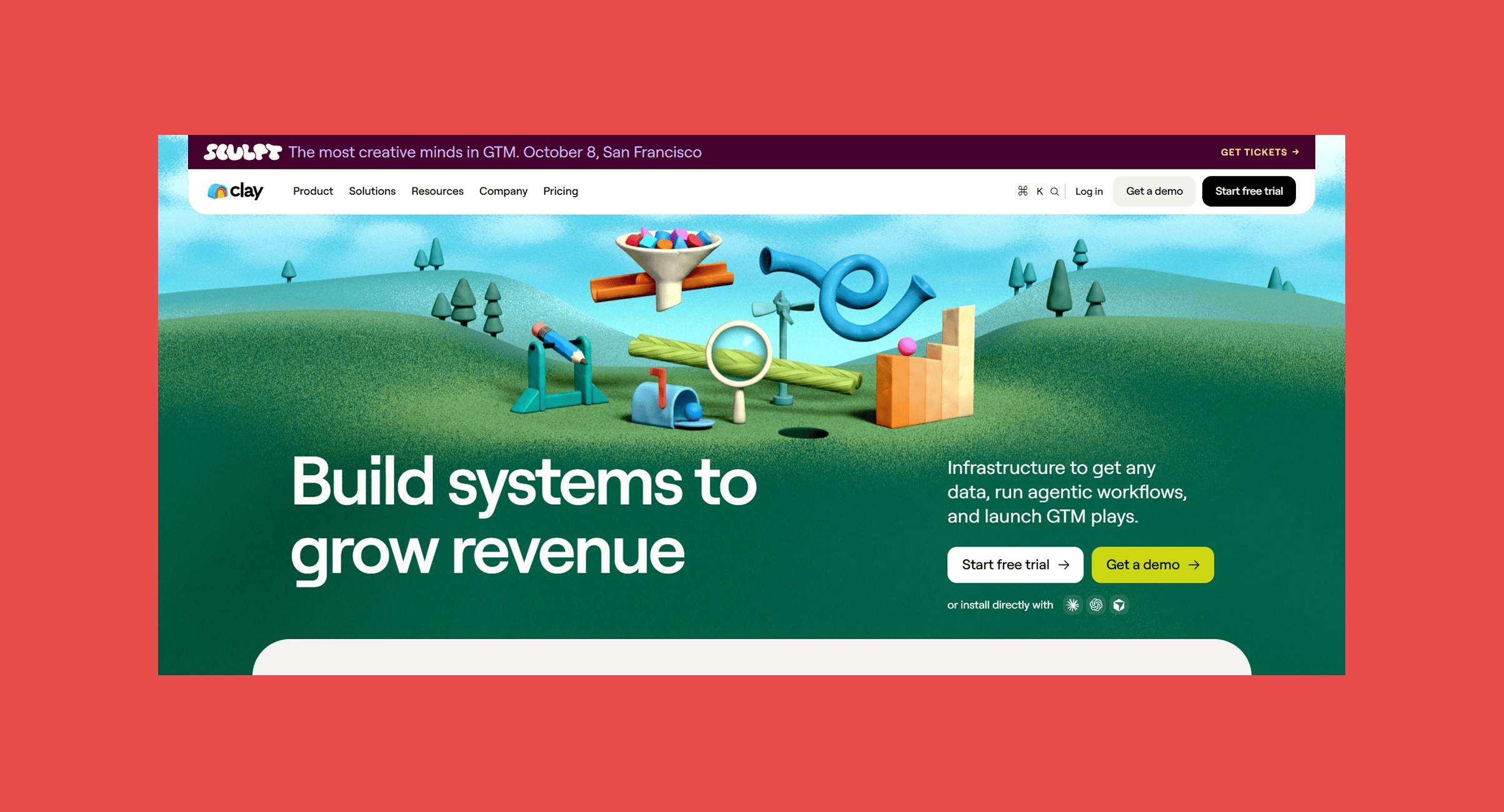
Clay is a workbench. It pulls data from 150+ providers into tables where you build your own enrichment, research and prospecting workflows, including signal-based ones. Teams that want to design exactly how a lead gets found, enriched and scored tend to like it.
Teams that want a finished product tend to find it a lot of assembly.
What it offers:
- Waterfall enrichment across multiple data providers
- Claygent, an AI research agent
- Custom tables and workflows
- CRM sync and HTTP APIs, plus a Signals and Intent feature tracking new hires, promotions, job changes, LinkedIn brand mentions and funding or news events, at 1 credit per 5 records checked
- A basic native sequencer
How it works:
Ratings
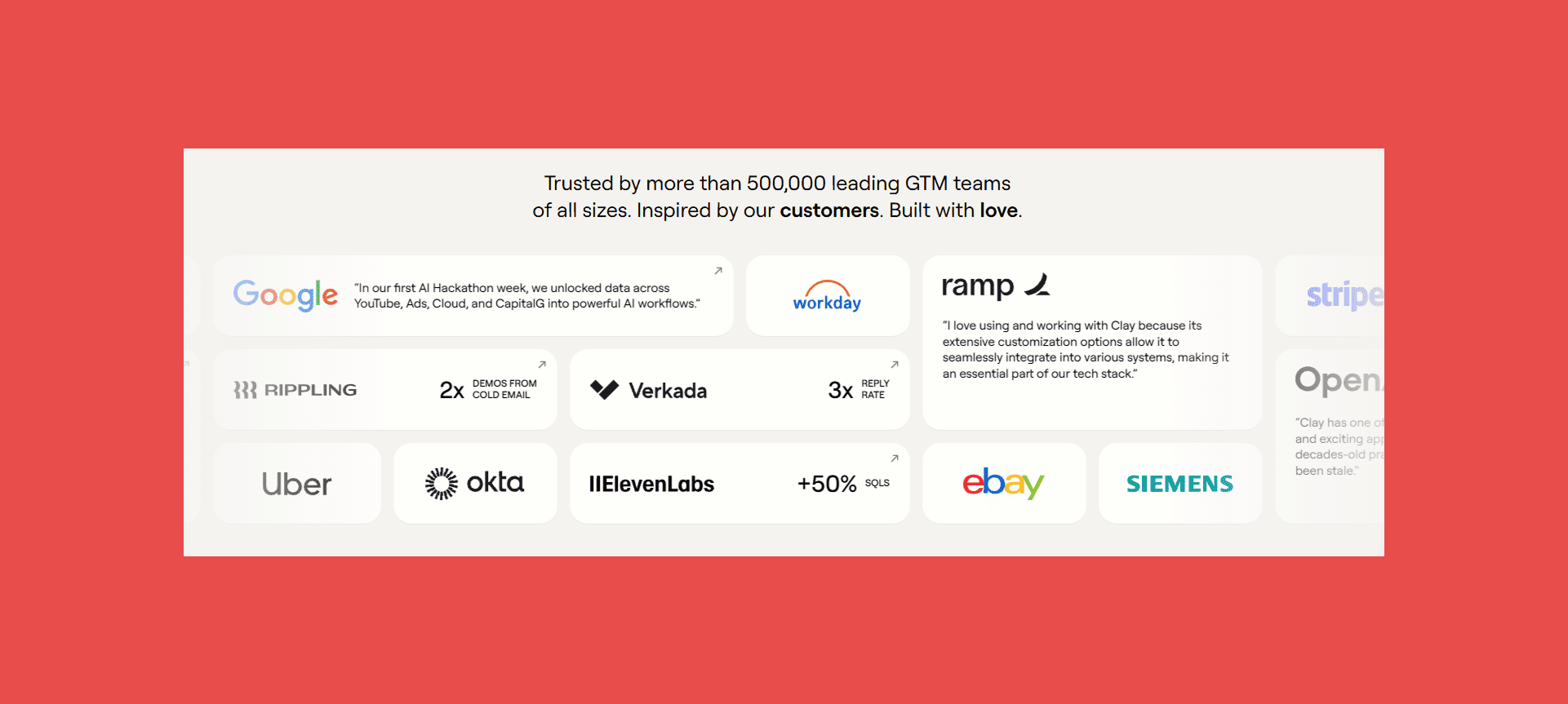
- G2: 4.7/5 (217 reviews)
- Capterra: N/A
Pros
- Flexible enough to build almost any prospecting workflow
- Paid plans include unlimited users
- Free plan for testing before you commit
Cons
- More setup and upkeep than a dedicated signal tool
- Two credit types (Data Credits and Actions) make monthly spend harder to predict
- CRM integration is limited to the Growth plan
Pricing
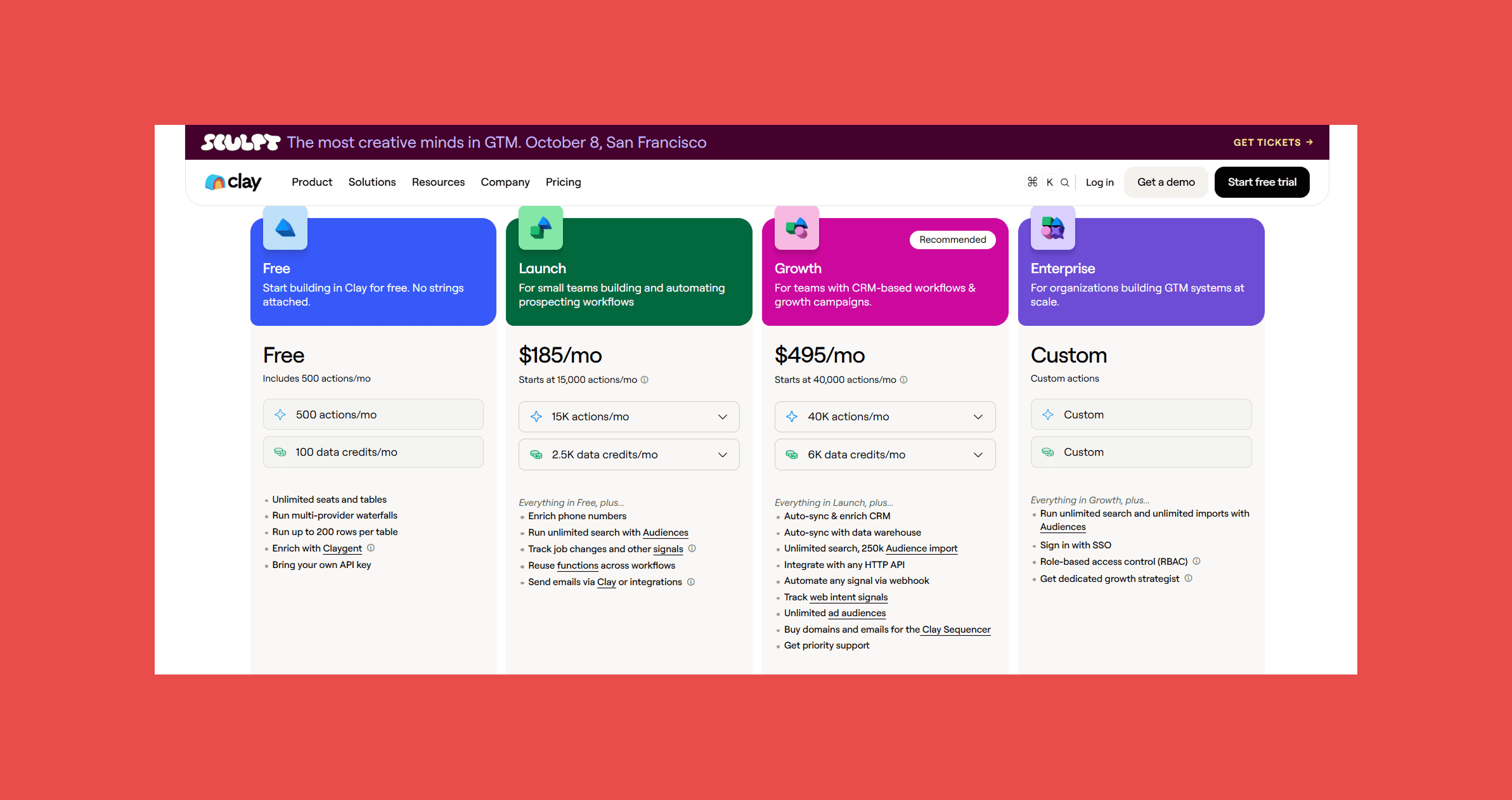
- Free: $0/month for 500 actions and 100 data credits per month
- Launch: $185/month for 15,000 actions and 2,500 data credits per month
- Growth: $495/month for 40,000 actions and 6,000 data credits per month
- Enterprise: custom actions and data credits
5. Bombora: Best for B2B Intent Data
Ask anyone in RevOps to name a B2B intent data vendor and Bombora is usually the first name that comes up. Its Company Surge product scores companies on how sharply their research activity around a topic has climbed above their own historical norm, drawing on a publisher co-op of 5,500+ B2B sites and a taxonomy covering more than 20,000 topics. Several other platforms on this list, including 6sense and Demandbase, license Bombora's data as one input into their own scoring.
What it offers:
- Company Surge account-level intent scores
- Topic-level research activity across a large publisher network
- Account prioritization
- Audience activation
- CRM and ABM platform integrations
How it works:
Bombora tracks what accounts read, maps it to topics, and scores the accounts whose interest is climbing. What you do with that score is up to your stack.
Ratings
- G2: 4.5/5 (163)
- Capterra: 4.5/5 (2)
Pros
- Established provider with a large publisher co-op
- Widely embedded in other ABM platforms
- Suits account-based programs already built around intent data
Cons
- Account-level only, so you learn which company is surging but not who to contact
- Needs a separate enrichment and outreach step to become pipeline
- Sales-led annual contracts, which can be heavy for a small outbound team
Pricing
- Custom, sales-led annual contracts. Third-party estimates put entry-level deals at roughly $25,000 to $45,000 a year for limited topic coverage, climbing past $100,000 for broader topic access or advertising, and reportedly north of $250,000 for full enterprise deployments
6. 6sense: Best for Enterprise Intent and ABM
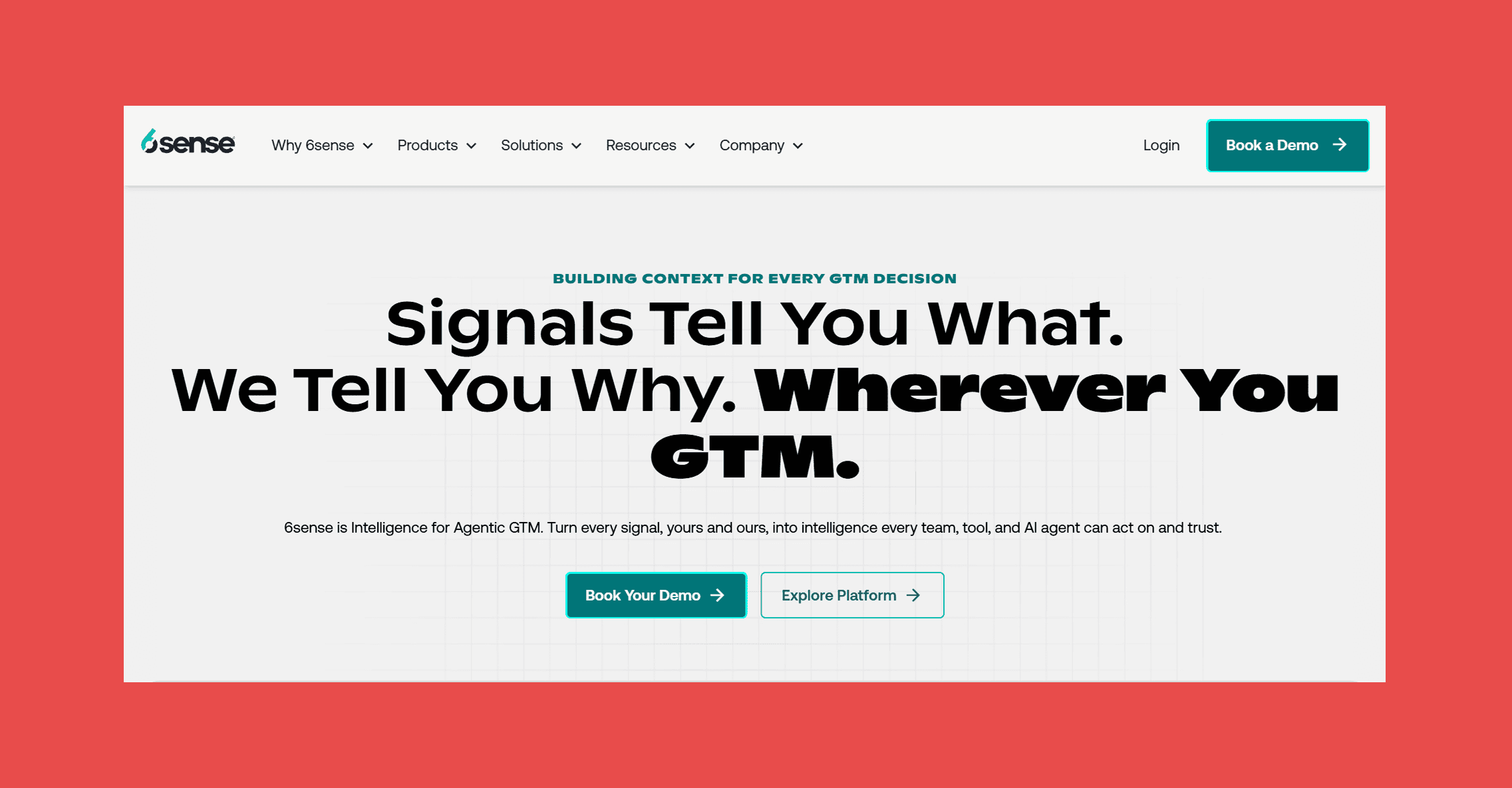
6sense wraps predictive intent, account identification and buying-stage modeling into one revenue platform, with advertising and orchestration modules on top. It suits enterprise teams running mature ABM programs with a RevOps function to tune it.
For a team that just wants to know who to email this week, it's a lot of platform.
What it offers:
- Predictive intent and buying-stage scoring
- Account identification
- Advertising and orchestration modules
- AI email agents for autonomous outreach in the top-tier suite
- A free Sales Intelligence tier
How it works:
Ratings

- G2: 4.5/5 (2,546)
- Capterra: 4.6/5 (30)
Pros
- Predictive modeling on top of raw intent data
- Full-funnel activation in one platform
- Free tier for trying account identification first
Cons
- Implementation and ongoing RevOps effort can be substantial
- Enterprise-oriented pricing and contract terms
- Account-level focus, so contact data may come from elsewhere
Pricing
- Free tier available
- Paid plans aren't published; third-party reports put them in the tens of thousands of dollars annually, scaling up sharply for full enterprise access
7. Demandbase: Best for Account-Based Intelligence
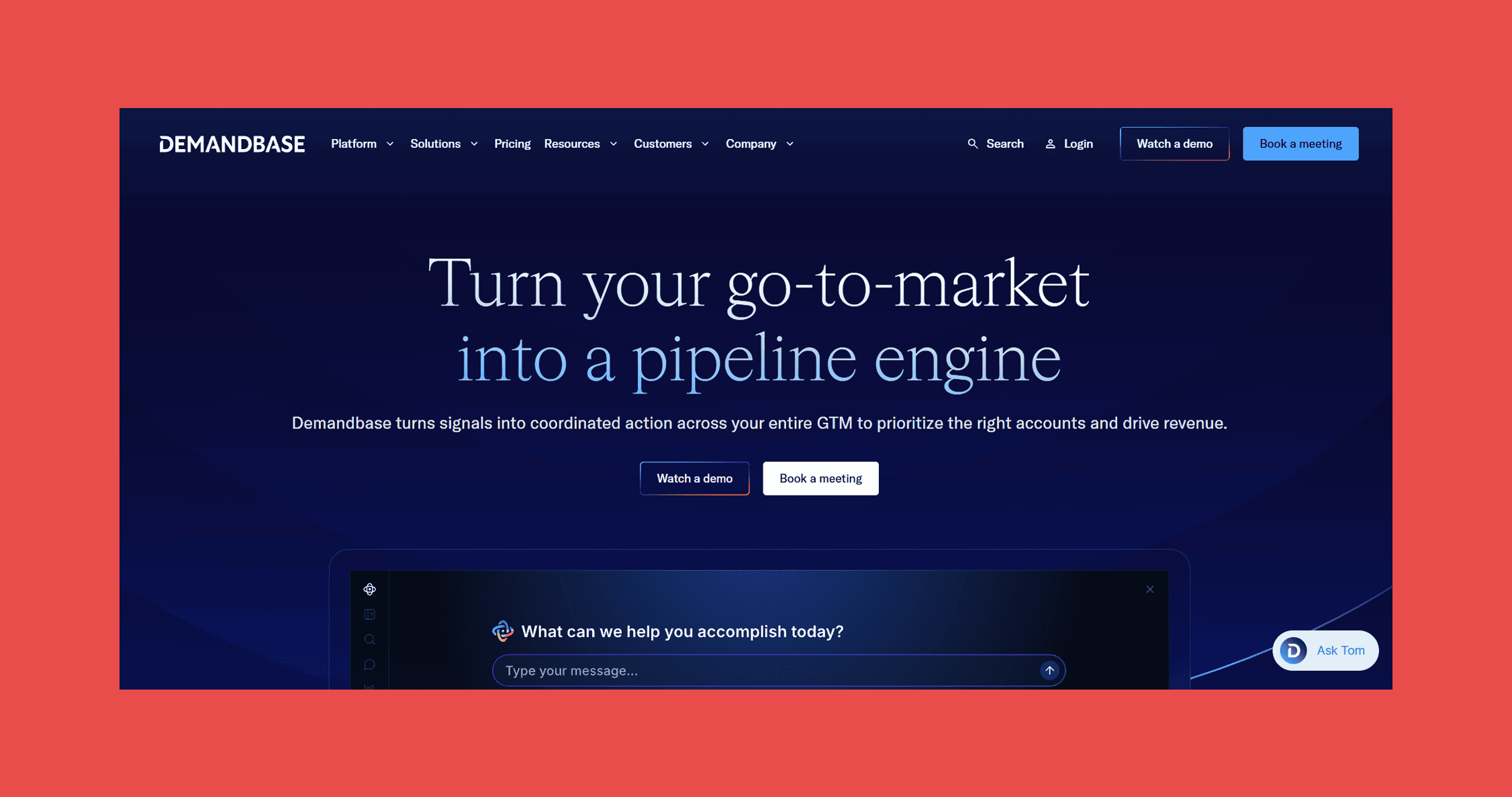
Demandbase is an account-based GTM platform that combines account identification, intent, advertising and sales intelligence. Its own Demandbase Intent is included, while Bombora data requires a separate paid license. It also offers Agentbase AI agents, including an Email Agent, for teams that want automation on top of the intelligence layer.
What it offers:
- Account identification and intent data
- B2B advertising and website personalization
- Sales intelligence
- AI agents for GTM workflows
- CRM and marketing automation integrations
How it works:
Ratings

- G2: 4.4/5 (1,987)
- Capterra: 4.3/5 (17)
Pros
- Intent sits inside a broader account-based platform
- Modular, so teams can start with the pieces they need
- Covers marketing and sales activation in one place
Cons
- Far broader than a team looking only for actionable outbound signals
- Modular pricing makes total cost hard to predict
- Annual contracts with no self-serve entry point
Pricing
- Custom: not published, with annual or multi-year contracts required
Final Thoughts
Gojiberry is a strong choice if you want an AI agent to turn intent signals into automated outreach. That's just not what every sales team needs.
The decision comes down to what you're replacing. If you want to keep the AI SDR idea but change the sending, Instantly covers execution. If you want to build your own signal and enrichment workflows, Clay and Common Room give you the raw material. If your organization runs account-based programs with enterprise budgets, Bombora, 6sense and Demandbase are the established options.
If your goal is to identify high-intent prospects and feed them into the outbound stack you already use, Findymail Signals takes a different approach: the signal, the person and the verified contact, delivered to a workflow you control.
Findymail verifies every email before it reaches you, with a sub-5% bounce rate behind it. Detect the signal, find the person, get the contact data, and start the conversation from the stack you already run.
Frequently Asked Questions About Gojiberry AI
What is Gojiberry AI?
Gojiberry AI is an intent-based prospecting platform that monitors buying signals, scores prospects against your ICP, enriches their contact details and runs personalized outreach over LinkedIn and email.
What does Gojiberry AI do?
It replaces the list-building and first-touch stages of outbound. You define your ICP and the signals that matter, and its AI agents find matching prospects, score them, write messages and contact the highest-intent ones.
Is Gojiberry AI an AI SDR?
Largely, yes. Its agents find, score and contact prospects on their own, with an AI Copilot mode for teams that want to review before anything sends.
What are the best Gojiberry AI alternatives?
It depends on what you're replacing. Instantly covers outbound execution, Clay and Common Room cover custom or multi-source signal workflows, and Bombora, 6sense and Demandbase cover account-level intent for enterprise teams. Findymail Signals is the strongest fit for teams that mainly want actionable intent signals and lead enrichment.
Is there a Gojiberry AI alternative for intent signals?
Yes: Findymail Signals. It monitors the web 24/7 for buying events, filters them to your ICP and enriches the resulting leads with verified contact details.
What is the difference between Gojiberry AI and Findymail Signals?
Gojiberry combines intent, AI-led prospecting and outreach. Findymail combines intent, ICP filtering and enrichment, then hands the lead to your existing workflow.
Does Findymail Signals replace an AI SDR?
No. It surfaces actionable opportunities rather than autonomously running the sales process, so your team still owns the messaging and the sending.
What intent signals does Findymail Signals track?
New Hire, Job Title Change, Keyword Mention and Topic Engagement, with custom monitors you build around your own ICP. It watches the web for buying events around the clock.
Can Findymail Signals work with my existing outbound tools?
Yes. Signals pushes enriched leads to your CRM or sequencer, and the wider Findymail platform syncs with HubSpot, Salesforce, Pipedrive, Instantly, Smartlead and Lemlist.

Valentin
Valentin Wallyn is the founder and CEO of Findymail, a SaaS platform he launched to help B2B teams discover accurate email and contact data and automate data enrichment at scale. With an IT background, Valentin combines a technical mindset with hands-on experience in outreach and growth. His work centers on improving data quality and prospecting efficiency, drawing on years of entrepreneurial experience and a deep understanding of what makes outreach campaigns succeed.